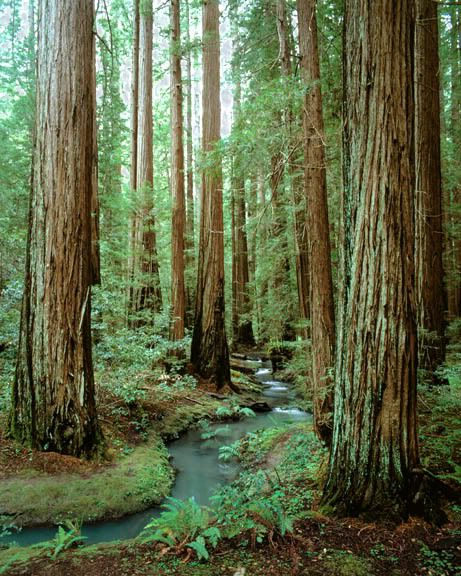
 I believe that air pollution and water pollution, particularly ocean waters, are conducive to using contingent valuation. This is because both of these forms of pollution are easily dispersed into pristine and unused natural environments. In this way CV is particularly suited to develop lost existence values for areas that are being damaged by these emissions. In turn, the ‘real’ cost of damaging areas like untouched forest and oceanic reef ecosystems can be used to push firms to incur the cost of improved pollution mitigation systems. This should result in firms actually reaching the socially optimized level of pollution reduction and better preserve areas crucial to sustaining life on Earth.
By the same token, CV would not be well suited for instances of highly publicized situations or those in which pollution is not widespread. This is because areas with relatively localized pollution are not likely in the heart of pristine environments and lost existence values would not apply. Further, the pollution may only affect a small number of people who would likely feel very strongly about it. In highly publicized scenarios people will have developed strong opinions on the issue well before participating in the valuation process. In both situations peoples’ judgment is likely compromised and they may be more inclined to produce responses that are inconsistent with rational choice, as the Hausman article point out can be a problem of CV. The end result would be valuation figures that are not reliable and probably extremely beyond what people would actually be willing to pay.

